Two stainless steel tanks can have the same capacity yet perform very differently in service.
Material grade, tank design, surface finish, and internal features all shape how well a tank fits an operation. Those differences may not be obvious from a specification sheet, but they often determine how much work is required before a tank can be installed and how well it performs over the years that follow.
Whether you're replacing existing equipment, expanding production, or building a new process, evaluating these factors before purchasing can reduce modifications, simplify maintenance, and improve long-term value.
Start With the Process
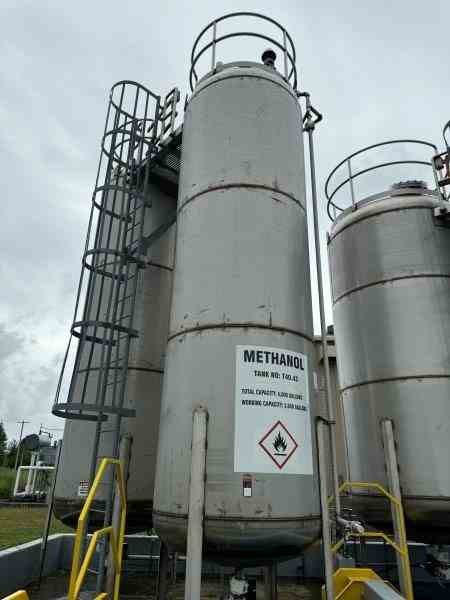 The process should always drive the equipment selection.
Before comparing capacities or requesting quotations, define exactly what the tank needs to accomplish. Consider the product being stored or processed, expected operating temperatures, cleaning requirements, batch or continuous production, and whether future capacity increases are likely. Those answers shape every decision that follows, from material selection to tank geometry and internal features. Defining these requirements first often eliminates many tank options before equipment comparisons even begin.
Choosing a tank before understanding the process frequently leads to unnecessary modifications later.
Storage Tank or Process Tank?
Not every stainless steel tank serves the same purpose.
Two tanks with similar dimensions may serve completely different functions depending on how they're equipped internally. Some stainless steel storage tanks are designed primarily to hold product, while stainless steel process tanks support mixing, blending, heating, cooling, or feeding material through production. A storage tank may require little more than the appropriate capacity and process connections. A process tank often becomes part of the production equipment itself, where mixing, heating, cooling, blending, or maintaining product consistency all occur inside the vessel. In those cases, the internal design becomes just as important as the tank itself.
Defining the tank's function early helps narrow the selection and prevents paying for features that aren't needed or overlooking ones that are.
Choose the Right Stainless Steel Grade
The stainless steel grade affects much more than corrosion resistance. It also influences cleaning methods, inspection requirements, maintenance costs, and expected service life. Those factors continue affecting operating costs long after the tank has been installed.
For many food, beverage, water, and general industrial applications, 304 stainless steel provides an excellent balance of corrosion resistance, strength, and cost. It remains one of the most widely used materials for stainless steel storage tanks and stainless steel process tanks. Applications involving chlorides, aggressive cleaning chemicals, salt exposure, or certain pharmaceutical processes often benefit from 316 stainless steel because of its improved resistance to pitting and crevice corrosion.
Selecting a more corrosion-resistant alloy does not automatically produce a better result. The best choice is the one that matches the product, cleaning methods, and operating environment.
Determine Capacity and Tank Configuration
Capacity is one of the first specifications buyers compare, but it is rarely the only one that matters. The published capacity provides a useful starting point, but engineers should also consider how the tank will be used, whether additional headspace is required, and whether future production needs may change the desired size.
Tank configuration deserves equal attention. Vertical tanks often conserve floor space, while horizontal tanks may simplify installation or better fit an existing process layout. Configuration also affects transportation, foundation requirements, maintenance access, and future modifications. Planning for reasonable production growth during equipment selection is often less expensive than replacing an undersized tank a few years later.
A tank may satisfy every process requirement yet still become an expensive installation project if transportation or site constraints were overlooked during selection.
Bottom Design Matters
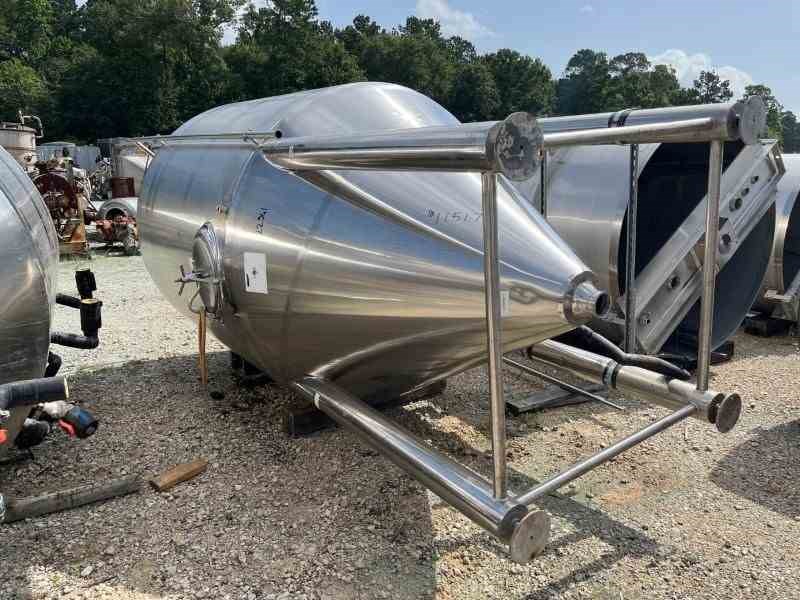
Bottom design affects much more than how a tank looks. It influences product recovery, drainage, cleaning, and overall process efficiency.
Flat-bottom tanks are common for storage applications where complete drainage is less critical. Cone-bottom tanks help direct product toward the outlet and are often selected when product recovery, solids handling, or complete drainage are priorities. Dish-bottom and sloped-bottom designs may also be appropriate depending on the product and cleaning requirements. Selecting the right bottom design can improve product recovery, simplify cleaning, and reduce waste throughout the production process.
Surface Finish and Sanitary Requirements
Not every stainless steel tank requires the same interior finish.
For many industrial applications, a standard mill finish provides satisfactory performance. Food, beverage, dairy, pharmaceutical, and cosmetic manufacturing often require polished interior finishes for sanitary service that support cleaning and reduce the potential for product buildup. Cleaning methods should also be considered during equipment selection. Tanks designed for Clean-in-Place (CIP) systems or other sanitary applications may include features that simplify routine cleaning while helping maintain product quality.
The right interior finish supports the process without adding unnecessary cost.
Agitation and Temperature Control
Not every stainless steel tank needs an agitator or heating jacket. Mixing, blending, dissolving solids, maintaining suspension, or controlling product temperature may require agitators, jackets, internal coils, or other process features. These options should be selected because the process requires them, not simply because they are available.
If mixing or temperature control is unnecessary, a simpler tank design may reduce maintenance requirements, simplify operation, and lower the overall project cost.
Evaluating a Used Stainless Steel Tank
Buying a used stainless steel tank begins with the same engineering questions as buying a new one. The evaluation should include the tank's overall condition, weld quality, evidence of corrosion or pitting, previous repairs, available documentation, and previous service history. Previous service may influence cleaning methods, inspection requirements, product compatibility, and refurbishment needs before the tank can be placed into a new application.
Overall dimensions should also be confirmed before purchase. A tank that fits the process may still require special transportation, rigging, or installation planning depending on its size and location.
The goal is not to find a tank that requires no work. It is to understand what inspection, cleaning, repairs, or modifications may be needed before comparing it with a newly manufactured tank.
Common Purchasing Mistakes
Many purchasing issues can be traced back to a handful of common oversights:
- Buying based only on capacity.
- Choosing the wrong stainless steel grade.
- Ignoring cleaning or sanitary requirements.
- Overlooking transportation and installation constraints.
- Assuming every stainless steel tank is designed for sanitary service.
- Failing to review previous service history.
- Forgetting to plan for future production needs.
Addressing these issues early often reduces engineering changes, installation delays, and unexpected project costs.
Stainless Steel Tank Buyer's Checklist
Before purchasing a stainless steel tank, confirm that you have reviewed:
- Process requirements.
- Tank function (storage or processing).
- Stainless steel grade.
- Capacity and working volume.
- Tank orientation and configuration.
- Bottom design.
- Interior finish requirements.
- Agitation or temperature control needs.
- Equipment condition and available documentation.
- Transportation and installation considerations.
- Future production plans.
Final Thoughts
Selecting a stainless steel tank involves balancing process requirements, long-term operating needs, and practical installation considerations. Taking the time to evaluate material selection, tank design, sanitary requirements, and future operating needs before purchasing can reduce modifications, simplify installation, and improve long-term value.
The best stainless steel tank is rarely the largest or the most expensive. It's the one that matches the application with the fewest compromises.