Two pressure vessels can have the same dimensions and pressure rating, yet only one will fit your process.
The difference often comes down to details that are easy to overlook. Materials of construction. Pressure and temperature ratings. Internal components. Documentation. Connection details. Each one influences how much engineering work is required before a vessel can be placed into service.
Selecting a pressure vessel involves more than matching a pressure rating or working volume. Process requirements, code compliance, installation constraints, and long-term operating costs all influence the decision. Whether the vessel is newly manufactured or previously installed, the evaluation process is largely the same. This guide outlines the factors that deserve the closest attention before making a purchase.
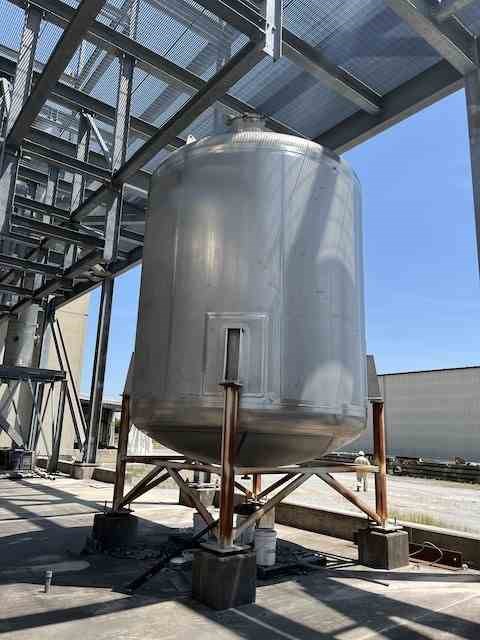
Start With the Process
Every pressure vessel is designed for a specific set of operating conditions. Before comparing vessel sizes or reviewing specification sheets, define exactly what the vessel needs to do.
The product being handled, whether liquid, gas, or vapor, is only the starting point. Engineers should also consider operating pressure, temperature, process chemistry, cleaning requirements, and whether production demands may change over time. These factors influence everything from material selection and pressure rating to vessel configuration and internal components.
Choosing the wrong vessel can affect much more than the purchase price. Additional fabrication, piping changes, longer installation schedules, increased maintenance, or reduced operating efficiency can all increase the total cost of the project. Taking the time to match the vessel to the application helps avoid those downstream costs.
Pressure and Temperature Drive the Design
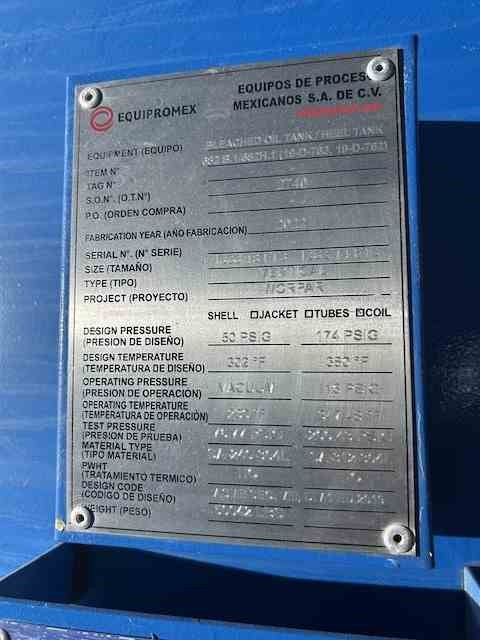
Every pressure vessel is built for defined operating limits. Those limits should account for normal operation as well as startups, shutdowns, cleaning cycles, and occasional process upsets.
Engineers should verify the Maximum Allowable Working Pressure (MAWP), design temperature, and, where applicable, the Minimum Design Metal Temperature (MDMT). Some applications also require full vacuum service or must withstand repeated pressure and temperature cycling throughout the vessel's operating life.
Selecting a vessel that simply meets the expected operating pressure is rarely enough. The design should reflect how the process actually operates, not just under ideal conditions.
Choose the Right Material of Construction
Material selection influences corrosion resistance, inspection requirements, cleaning methods, maintenance costs, and expected service life. Those factors continue affecting operating costs long after the vessel has been installed.
Carbon steel remains a practical choice for many industrial applications because of its strength and relatively low cost. Stainless steel is commonly selected where corrosion resistance, product purity, or sanitation are priorities. More demanding services may require duplex stainless steel, nickel alloys, titanium, glass-lined construction, or specialized internal linings.
Material compatibility should always be evaluated against the actual process chemistry. Operating temperature, cleaning chemicals, chloride exposure, and expected corrosion rates all influence long-term performance. Choosing a higher alloy does not automatically produce a better result if it is not appropriate for the intended service.
Determine Capacity and Vessel Configuration
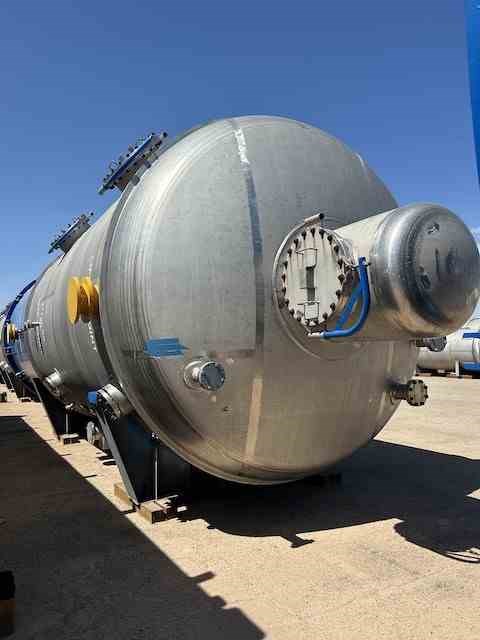
Capacity involves more than selecting the largest vessel that fits the available space. Working volume, vapor space, residence time, and future production requirements all affect the appropriate size.
Configuration deserves equal attention. Vertical vessels often reduce floor space and improve drainage, while horizontal vessels may simplify transportation, lower installation height, or better fit an existing plant layout. Foundation requirements, maintenance access, crane access, shipping limitations, and available space should all be considered before equipment is purchased.
Access for inspection and maintenance should also be considered. Routine activities such as cleaning, wall thickness measurements, pressure relief valve maintenance, or instrument replacement are easier when sufficient access exists around the vessel.
A vessel may satisfy every process requirement yet still become an expensive installation project if transportation or site constraints were overlooked during equipment selection.
Consider Nozzles, Internals, and Accessories
Connection details often determine how easily a pressure vessel fits into an existing process. Process connections, vent and drain nozzles, instrument ports, manways, relief device connections, and internal components all deserve careful review before purchase.
Some applications also require jackets, internal coils, agitators, distributors, or demisters. Even when the vessel itself is suitable, modifications such as relocating connections, replacing internals, or adding instrumentation can influence both project cost and schedule.
Individually, these details may seem minor. Collectively, they often determine how much engineering work is required before the vessel can be placed into service.
Verify Code Requirements and Documentation
Documentation deserves the same attention as the vessel itself.
Depending on the application and jurisdiction, buyers may need to verify ASME certification, National Board registration, the Manufacturer's Data Report, inspection records, repair documentation, and previous pressure test records. The vessel nameplate should also match the available documentation and clearly identify its design limits.
Missing documentation does not automatically prevent a vessel from being reused. It may, however, affect inspection, engineering review, registration, or project schedules depending on the applicable code requirements and local jurisdiction.
Evaluating a Used Pressure Vessel
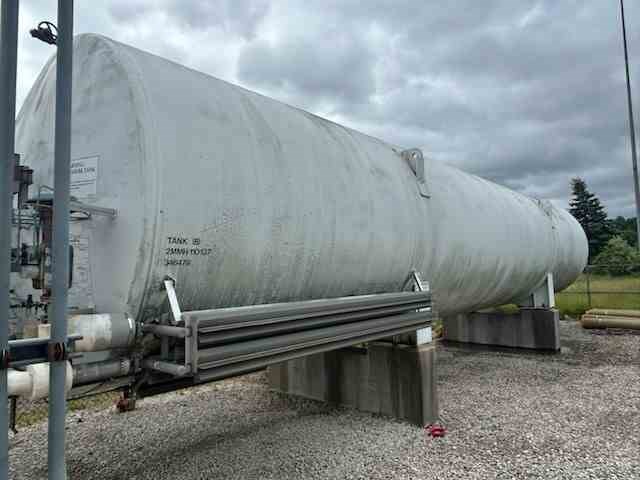
Many used pressure vessels remain suitable for continued service when properly evaluated, maintained, and applied within their design limits.
The evaluation should include the vessel's overall condition, evidence of corrosion or pitting, weld quality, nozzle condition, structural supports, previous repairs, and any available inspection data. Previous service history is equally important. Equipment that handled food products presents different considerations than equipment previously exposed to acids, chlorides, polymers, or aggressive chemical services.
Inspection and maintenance history can also provide valuable context. Inspection reports, wall thickness measurements, repair records, and documentation of previous alterations help engineers understand how the vessel has performed over time. While these records are not always available, they can reduce uncertainty during the evaluation process.
Equally important is understanding what modifications will be required for the next application. In some cases, adapting a used vessel involves only inspection, cleaning, and minor repairs. In others, nozzle changes, new internals, or additional fabrication may represent a significant portion of the overall project cost.
Compare New and Used Options
The decision between a new and used pressure vessel depends on the project's priorities.
A new vessel offers complete flexibility in dimensions, materials, connection layouts, and internal configuration. That flexibility often comes with higher capital costs and longer manufacturing lead times.
A used pressure vessel may be available immediately and can provide substantial savings when it closely matches the process requirements.
Like any major equipment purchase, it should be evaluated based on total installed cost rather than purchase price alone. Engineering modifications, inspection, transportation, rigging, cleaning, repairs, installation, and future maintenance all contribute to the overall economics.
Pressure Vessel Buyer's Checklist
Before purchasing a pressure vessel, confirm that you have reviewed:
- Process fluid and operating conditions
- Pressure and temperature requirements
- Material compatibility
- Required working volume
- Vessel orientation and available space
- Connection locations and sizes
- ASME and regulatory requirements
- Available documentation
- Vessel condition and inspection records
- Transportation, rigging, and installation considerations
- Future expansion requirements
Final Thoughts
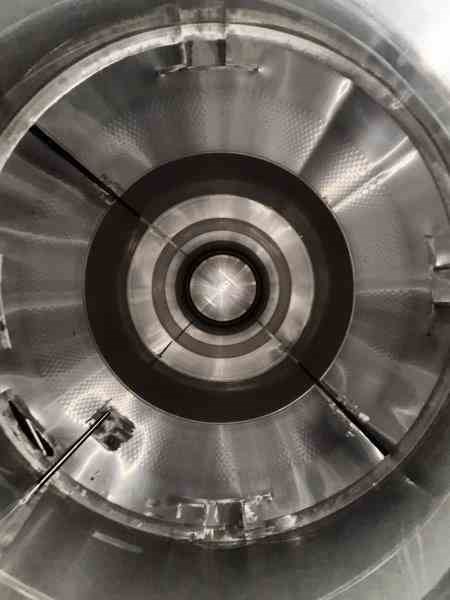
Pressure vessels often look interchangeable on paper. The engineering details determine how much work is required before one becomes part of a running process.
Taking the time to evaluate operating conditions, materials, configuration, documentation, installation constraints, and equipment condition before procurement can reduce engineering changes and avoid unnecessary project costs.
The best pressure vessel is rarely the one with the highest pressure rating or the largest capacity. It's the one that matches the application with the fewest compromises, both during installation and throughout its service life.