How an Idle Hydrogen Plant Became Recovered Capital for One Company and New Production Capacity for Another
Industrial plants often outlive the business decisions that made them necessary. The challenge isn't whether the equipment still works. It's finding the next company that can put it to work.
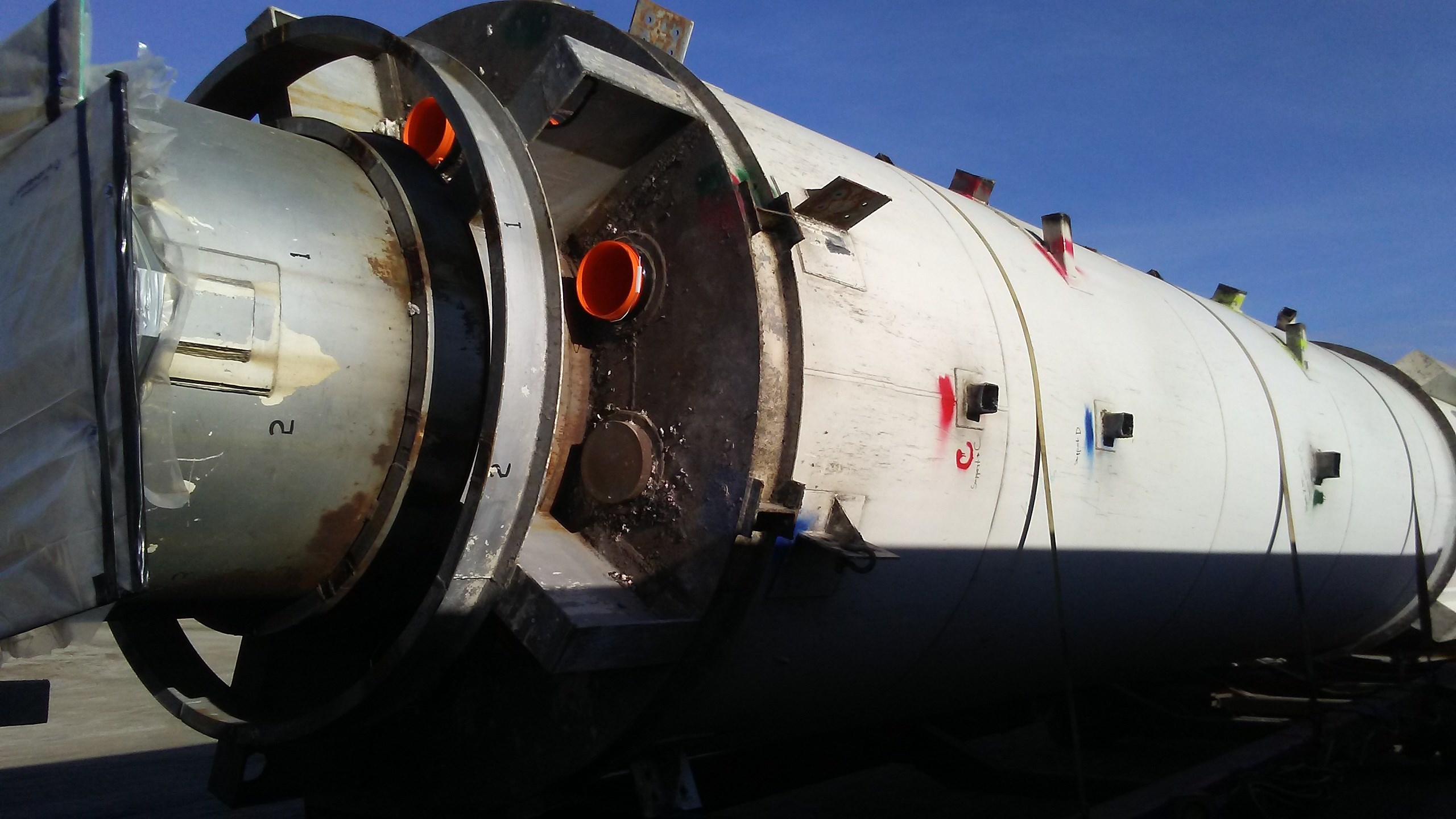
That was the situation at ADM's oilseed processing facility in Canada. Changes to food regulations eliminated the need for hydrogen production used in manufacturing partially hydrogenated oils, and the site's 55,000 SCFH (1,500 Nm3/H) hydrogen plant was permanently shut down. Although it no longer served ADM's operations, the Glitsch-designed steam methane reforming (SMR) plant remained a well-preserved production asset.
After shutdown, the plant was mothballed under a nitrogen blanket to help prevent internal corrosion. Most of the equipment was skid-mounted, making future dismantlement and relocation practical. The challenge shifted from preserving the plant to finding another manufacturer that could use it.
Why Phoenix Purchased the Plant
Phoenix recognized that the plant's greatest value remained in continued operation.
Purchasing an entire hydrogen plant before a buyer has been identified requires confidence that another operator exists with a genuine need for the production capacity. That confidence comes from understanding the global market for complete process plants, not simply the value of the individual equipment.
Phoenix purchased the plant outright and marketed it internationally as a complete hydrogen production facility rather than dismantling it for individual equipment.
Project Overview
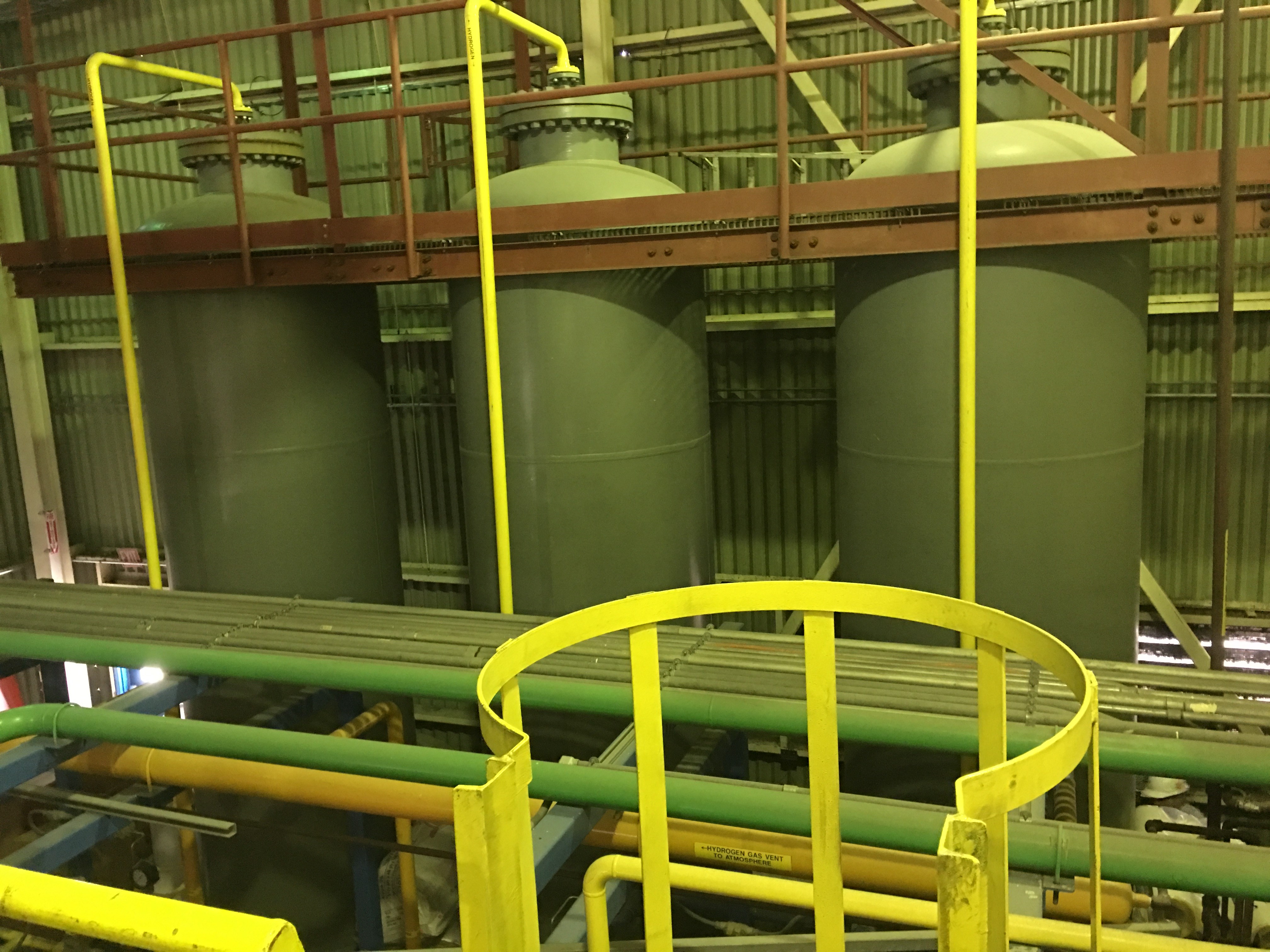
Built in 1995, the plant was designed to produce 1,500 Nm³/hr (55,000 SCFH) of hydrogen from natural gas using a steam methane reforming process. A pressure swing adsorption (PSA) system produced hydrogen at 99.99% purity.
The plant remained largely intact after shutdown. Its preserved condition and skid-mounted design made relocation a practical alternative to dismantlement while helping preserve the process configuration for reinstallation.
Finding the Right Buyer
Finding a buyer for an entire hydrogen plant is fundamentally different from selling individual pieces of equipment. The pool of potential buyers is much smaller. The buyer must have a process that requires hydrogen, demand for additional production, and expansion plans that align with the facility being offered.
Phoenix marketed the plant globally and ultimately identified a chemical manufacturer in Asia expanding hydrogen capacity for hydrogen peroxide production.
Acquiring an existing hydrogen plant gave the buyer additional production capacity without building a comparable new steam methane reforming facility. At the same time, ADM recovered more value from an idle asset than dismantling the plant into individual equipment or scrap.
Preparing the Plant for Relocation
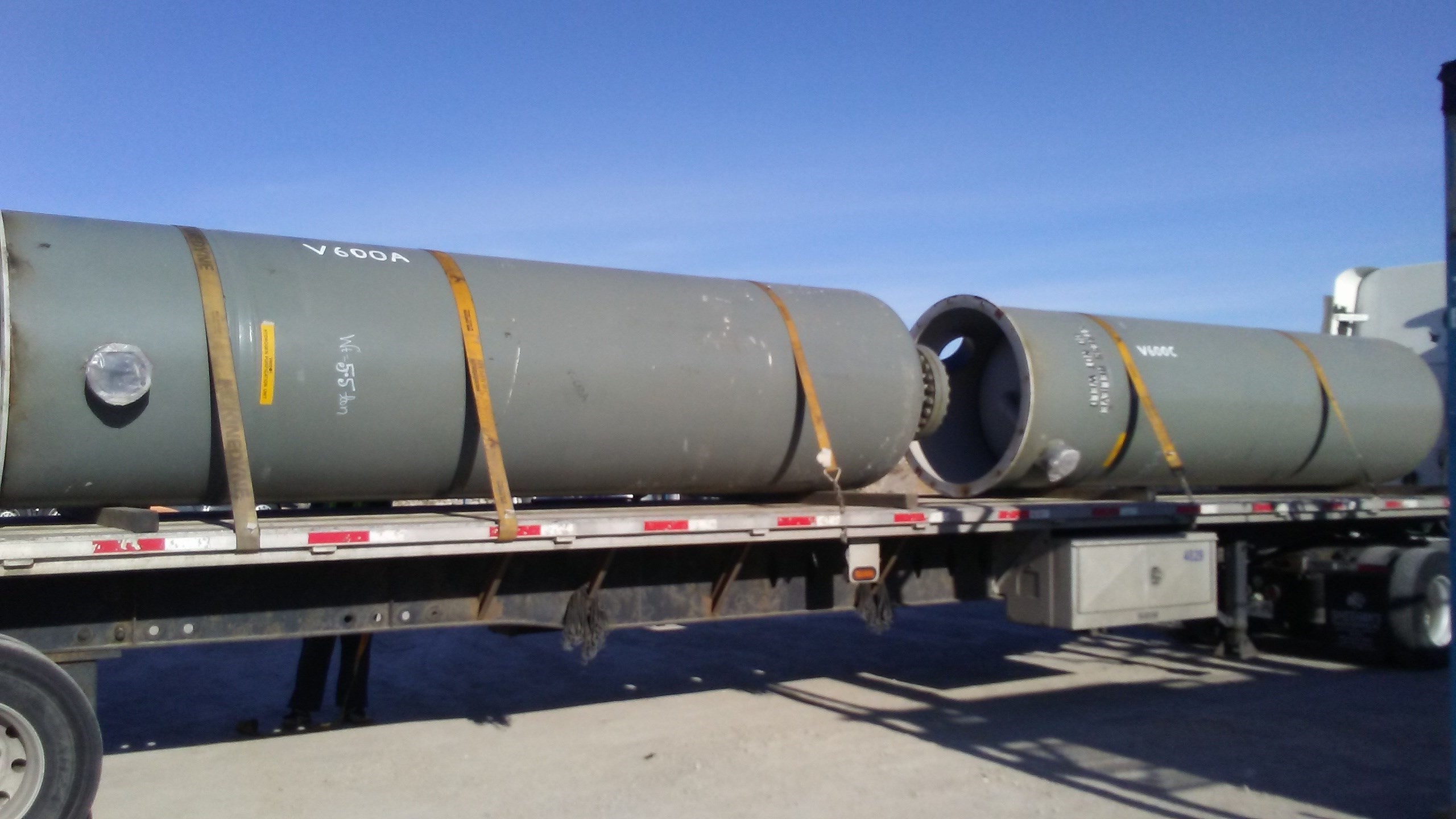
Following the sale, Phoenix managed dismantlement and preparation for international shipment.
The work included match-marking equipment and piping, dismantling the facility, crating, export packing, and coordinating shipment from Canada to Asia. Because much of the plant had originally been constructed on skids, dismantlement and transportation were completed efficiently while preserving the plant's configuration for reinstallation.
All dismantlement, packing, and shipping activities were completed in approximately two months.
Project Outcome
The transaction created value for every party involved. ADM converted an idle production asset into recovered capital after the hydrogen plant no longer supported its operations. The buyer expanded hydrogen production without the time and capital required to build a comparable new facility. Phoenix's understanding of the global market for complete process plants made that outcome possible by connecting a seller with surplus capacity to a buyer ready to put the plant back into service.
Industrial plants do not always reach the end of their useful life when they stop serving their original owner. Sometimes the value simply shifts to a different operator. Identifying that opportunity, and executing the transfer successfully, is what makes complete plant redeployment possible.